Understanding the Decline of Nahuatl Language
Nahuatl once spoken by millions, now faces decline. Explore how historical and modern issues have contributed to the decline of Nahuatl.
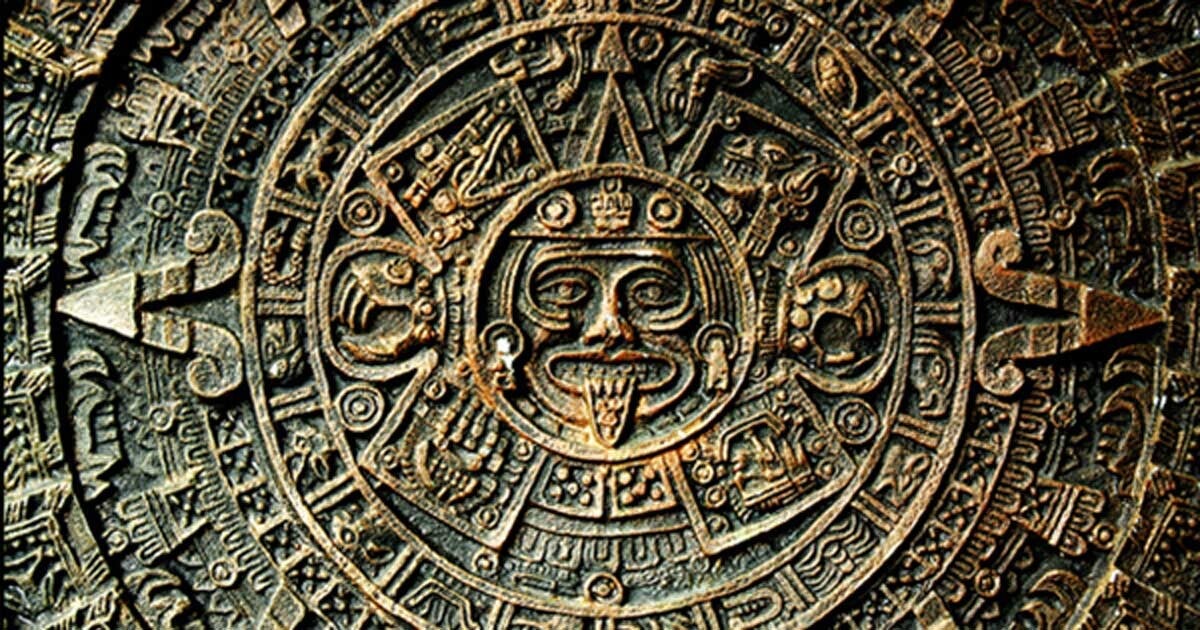
Once spoken across the mighty Aztec empire, Nahuatl is now struggling to survive.
Nahuatl, once the primary language of the Aztec empire, has declined due to several interconnected factors. After the Spanish colonization of the Aztec empire, Nahua communities were pressured to adopt Spanish, which established Spanish as the dominant language in government, politics, education, and public life. Over time, schools and social institutions reinforced the idea that Spanish represented vast opportunities, while Nahuatl became associated with social disadvantage.
Because of these pressures, families stopped teaching Nahuatl to their children out of fear of discrimination or the belief that Spanish would provide better opportunities. As a result, social pressures and intergenerational language loss continue to reinforce the effects of colonization across generations. Although 1.5 million people speak Nahuatl today, the language remains endangered.

Image source: dreamstime
Key Focus Points

image source: colombia
Colonial Impact
Explore how Spanish colonization significantly contributed to the decline of Nahuatl.

image source: CNN
Social pressures
Understand the social pressures that have pushed Nahuatl speakers to abandon their native tongue.

image source: mexicolore
Family & language
Investigate the role of family decisions and intergenerational transmission in the decline of Nahuatl.
Voices of Indigenous People
“Sometimes, there was abuse, classes were all in English—we weren’t allowed to speak Lakota. It was frustrating. I wanted to be home with my family.”
Throughout my childhood, it was no secret that claiming Taino heritage was paralleled with witchcraft. Even in school, our history books read, "Columbus came, and the Indians died."
“Then I lost my spirit,” she wrote. Days were dominated by an “iron routine” of roll calls and a strict schedule punctuated by clamoring bells. The government-mandated curriculum was a routine of prayers, vocational training, and after-dinner lectures by the Quakers.
Zitkala-Šá

About the Author
Karilynn Arellano is from Arkansas and is a Mexican American student studying engineering at Boston College. Inspired by her family roots, with both of her parents being born in San Luis Potosí, Mexico, she became interested in learning more about her ancestry. This curiosity led to her researching Nahuatl, one of the primary languages spoken in Mexico during the Aztec empire years.
Her website arellano19.org is dedicated to shedding light on the several factors contributing to the Nahuatl language decline. Its mission is to inform, educate, and inspire action towards linguistic preservation. Through careful research and analysis, arellano19.org aims to provide a comprehensive understanding of the Nahuatl language decline.
Create Your Own Website With Webador